
Health and Safety
"Safety" is of utmost importance in the aviation industry and is our top priority. In the aviation business, fallibility might lead to severe impact to lives and belongings of passengers and staff, as well as to business reputation and reliability.

Health and Safety
Commitment
The Company is committed to developing operations and adapting these aspects to ensure the highest safety performance for our customers and all involved.
This commitment is reflected in our Safety Policy, Safety Management System, and training of employees and contractors, as well as in our safety culture. The Company regularly reviews and monitors its operations to ensure compliance with its policies and the Safety, Occupational Health, and Environment at Work Act B.E. 2554 (2011).
Safety Management System: SMS
The Company maintains a Safety Management System (SMS) that regularly adjusts its safety policies and reinforces a safety culture to ensure reliable and safe flights. The SMS complies with requirements set by the International Civil Aviation Organization (ICAO) and aligns with the State Safety Policy (SSP) of the Civil Aviation Authority of Thailand (CAAT). The Company’s Chief Executive Officer is the designated accountable executive for The Company’s SMS, and our Board of Directors receives quarterly updates on key safety performance.
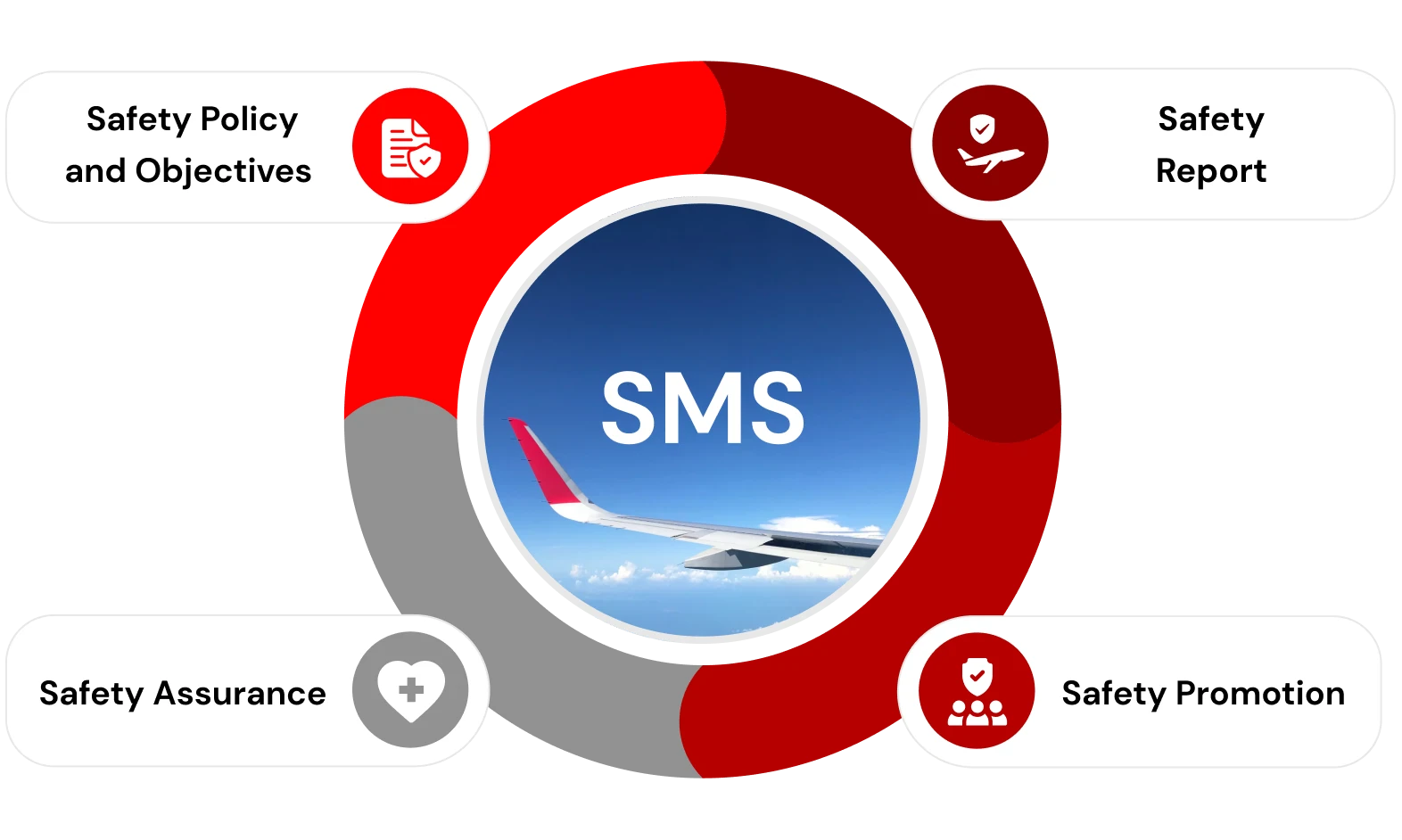
Safety Policies and Objectives


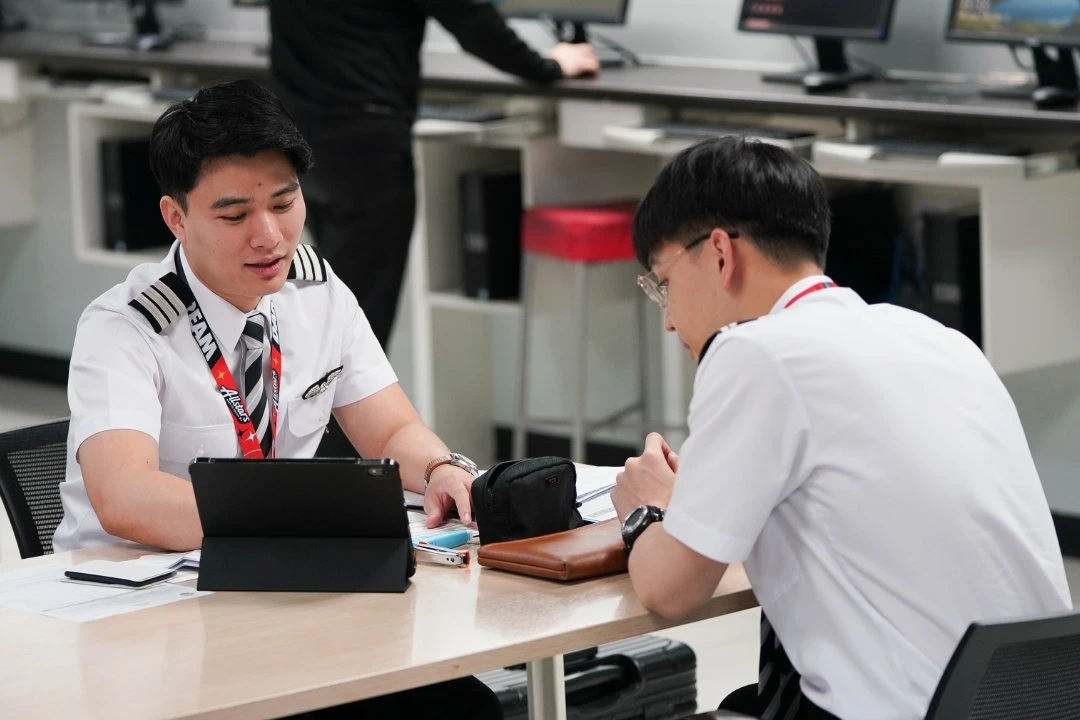
Safety Risk Management
Two steps are observed to manage and handle safety risks:
1. Hazard Identification: The seeking and identification of procedures, causes and elements that may lead to an accident, as well as the collection, analysis and systematic dissemination of such information.
2. Safety Risk Assessment and Mitigation: The carrying out of Safety Risk Assessments with elements deemed beyond the acceptable risk to be analysed for protection and mitigation measures.
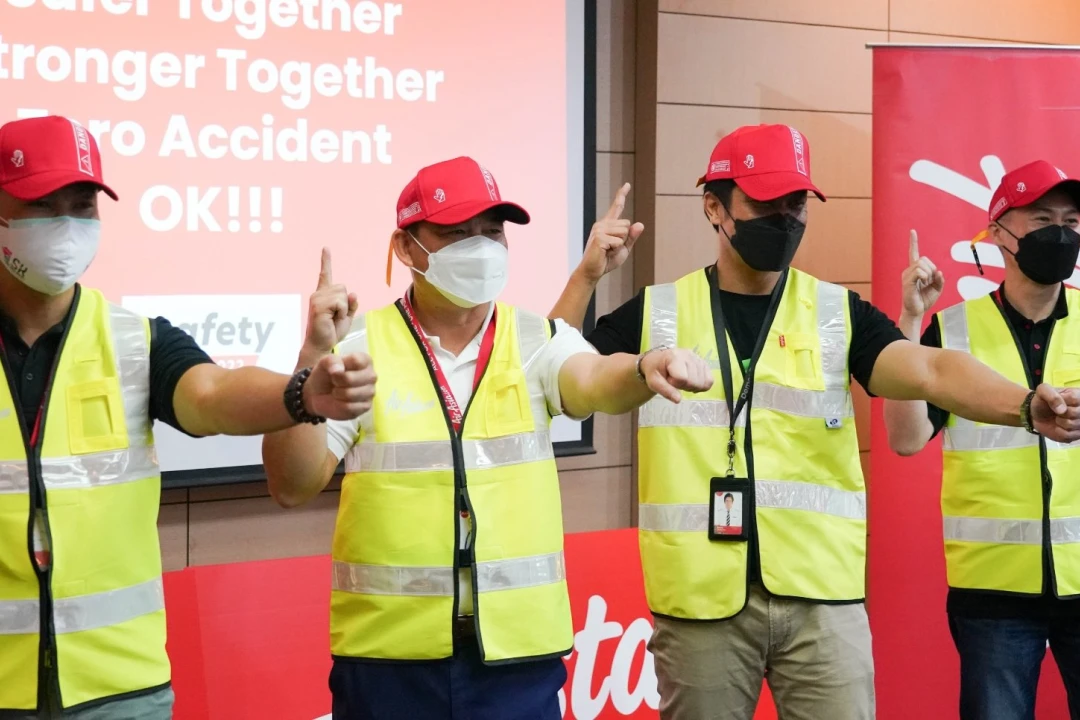
Safety Promotion
Thai AirAsia understands that safety must be embedded into its organisational culture and is resolute in instilling safety practices across the whole workforce so that everyone remains vigilant. This is carried out through the following activities:
1. Training and Education: In accordance with the law, all staff must have the knowledge and expertise necessary to fulfil the safety requirements of their duties.
2. Safety Communication: Activities are organised to communicate and disseminate safety know-how and to build understanding and awareness.
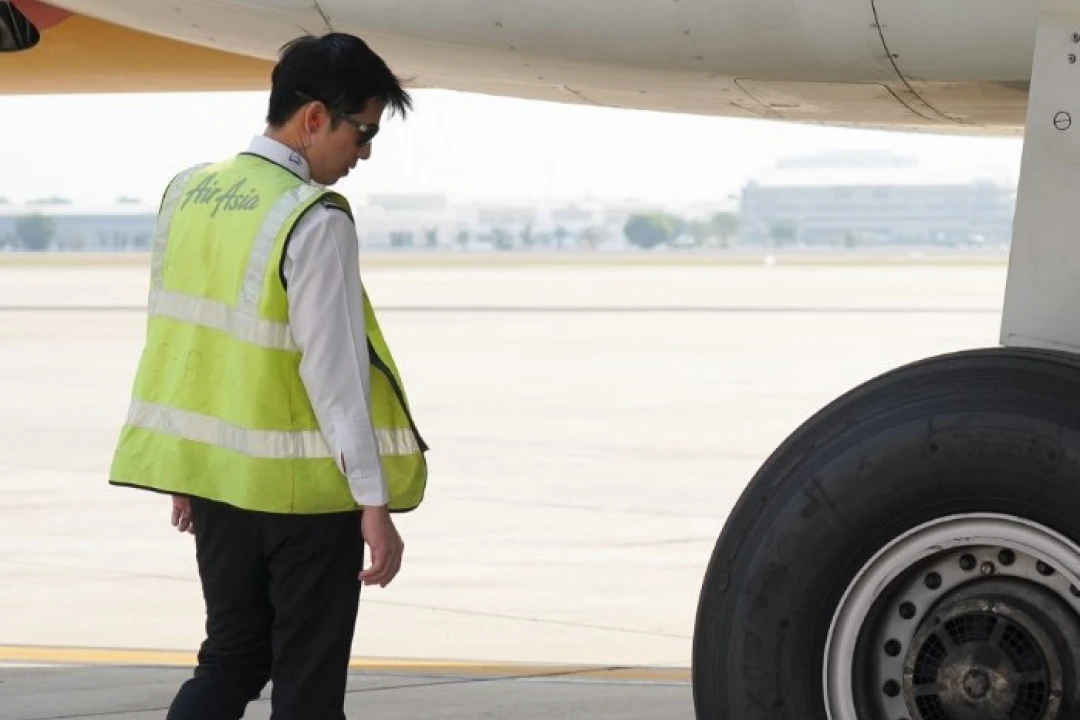
Safety Performance
Thai AirAsia systematically engages in safety with the cooperation of the 5,429 employees across all the Company’s departments. The Company’s safety performance is as follows:
| Safety Performance Indicators (SPIs) - Thai AirAsia employees | 2023 | 2024 | 2025 | |||
|---|---|---|---|---|---|---|
| Target | Result | Target | Result | Target | Result | |
| Working hours (hour) | 9,446,608 | 10,135,688 | 10,858,344 | |||
| Number of work-related accidents (incident) | - | 11 | 0 | 44 | 0 | 55 |
| Ground occupational accident rate (incidents per 10,000 departures) | 4.49 | 4.45 | 4.00 | 3.53 | 4.00 | 4.09 |
| Fatality no. (incident) | 0 | 0 | 0 | 0 | 0 | 0 |
| Fatality rate (incidents per 1 million work hour) | 0 | 0 | 0 | 0 | 0 | 0 |
| No. of work-related disease (incidents) | 0 | 1 | 0 | 0 | 0 | 0 |
| Work-related disease rate (Number of workers who are sick due to work per 1 million hours worked) | 0 | 0.11 | 0 | 0 | 0 | 0 |
| No. of lost time injury (incident) | - | 11 | 0 | 10 | 0 | 8 |
| Lost time injury frequency rate (LTIFR) (Number of workers injured due to work per 1 million hours worked) | 1.12 | 1.16 | 1.11 | 0.99 | 0.94 | 0.74 |
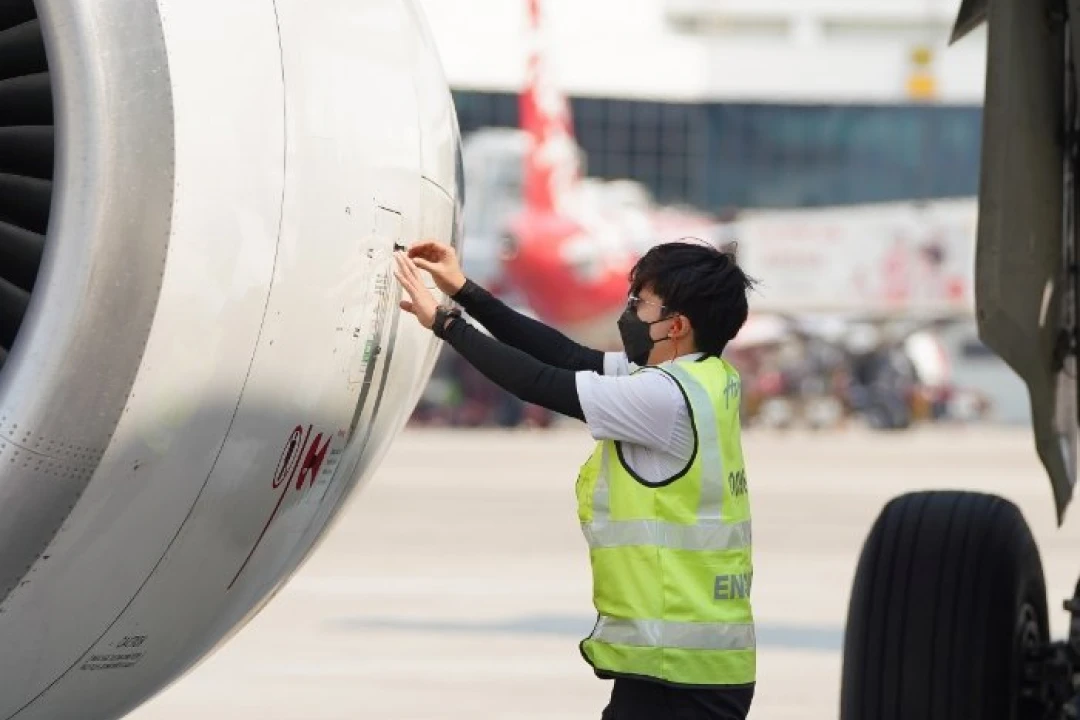
The heightened rate of lost time injury was due to a significant increase in flights and service. All incidents were analysed for cause and repeat prevention and used as case studies to reinforce employee vigilance.
Controls on the operations of contractors and partners are imposed to prevent work-related dangers for all involved. Indicators are as follows:
| Safety Performance indicators (SPIs) - Contractors | 2023 | 2024 | 2025 | |||
|---|---|---|---|---|---|---|
| Target | Result | Target | Result | Target | Result | |
| Working hours (hour) | 1,779,096 | 1,202,762 | 2,703,305 | |||
| Number of work-related accidents (incident) | - | 3 | 0 | 0 | 0 | 0 |
| Accident rate (incidents per 1 million work hours) | 0.84 | 1.05 | 1.05 | 0.96 | 0.92 | 0.30 |
| Fatality no. (incident) | 0 | 0 | 0 | 0 | 0 | 0 |
| Fatality rate (incidents per 1 million work hour) | 0 | 0 | 0 | 0 | 0 | 0 |
| No. of work-related disease (incidents) | 0 | 0 | 0 | 0 | 0 | 0 |
| Work-related disease rate (Number of workers who are sick due to work per 1 million hours worked) | 0 | 0 | 0 | 0 | 0 | 0 |
| No. of lost time injury (incident) | 0 | 0 | 0 | 0 | 0 | 0 |
| Lost time injury frequency rate (LTIFR) (Number of workers injured due to work per 1 million hours worked) | 0 | 0 | 0 | 0 | 0 | 0 |
Airline Safety and Security Systems
Thai AirAsia utilises three efficiently coordinated safety and security systems together aimed at minimising injury and damage in the workplace and to bolster the confidence of airline staff and passengers.

Safety System

Quality

Safety

Security
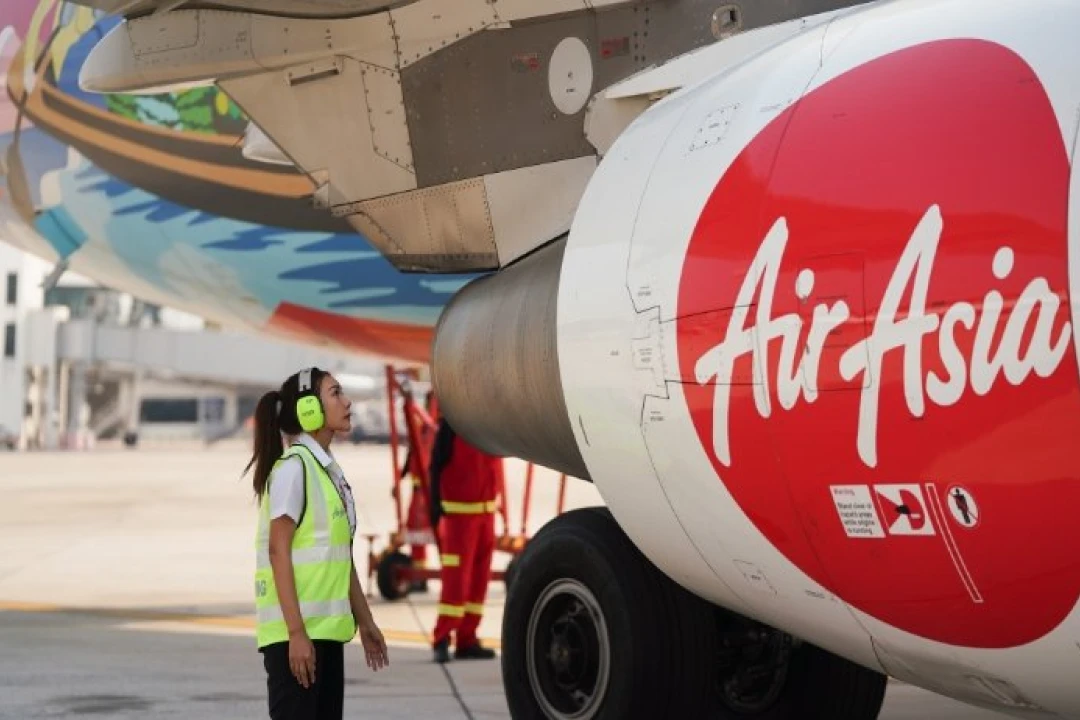
Quality Management
Focuses on keeping practices in accordance with regulations and passenger expectations while also including operational demands and possible dangers. In the short term, Quality Management emphasises requirement compliance and control to fit needs.
Quality Assurance
Focuses on ensuring pre-service quality and involves the following:
- Development
- Resource inspection
- Safety inspection with an emphasis on effective risk control
- Personnel inspection (includes external vendors)
- Regulation compliance inspection
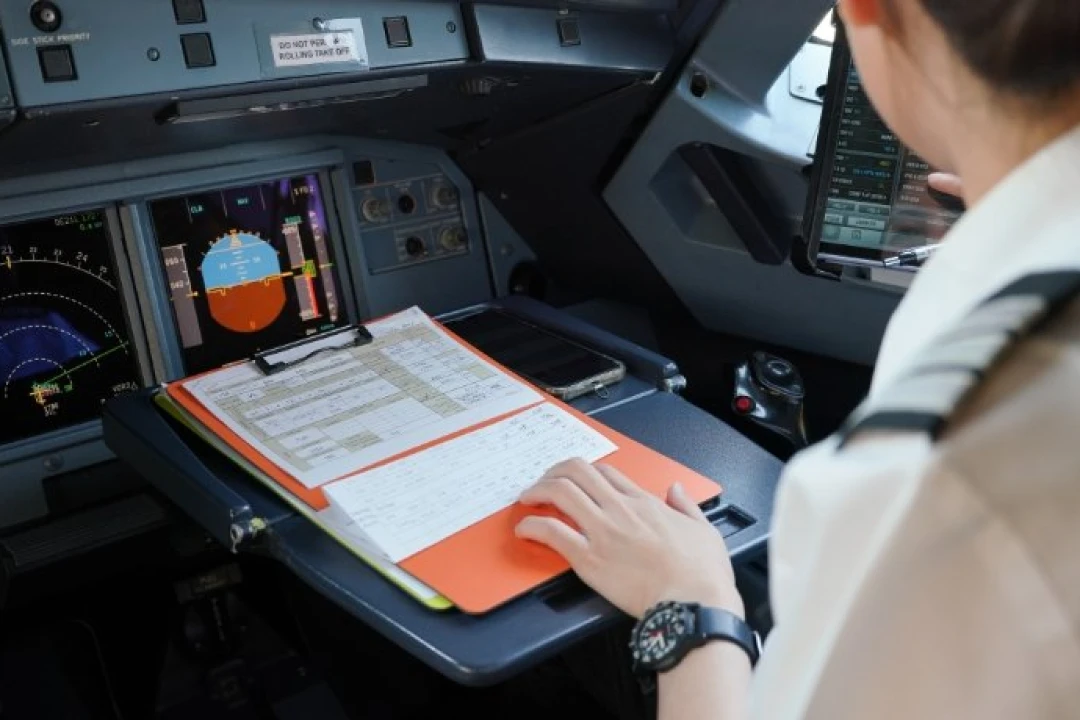
Safety Assurance
Promotes quality through analysis, document control and inspection, looking to assure compliance with standards. While Safety Management focuses on safety efficiency, Safety Assurance is about identifying threats to safety, assessing risks and carrying out controls to prevent accidents and incidents.
Safety Management encompasses safety assurance and quality assurance and has the following stipulations:
- Regulation Compliance Control
- Operations requirements identification, improvements to safety and areas of danger and management of changes that may affect operations
Security
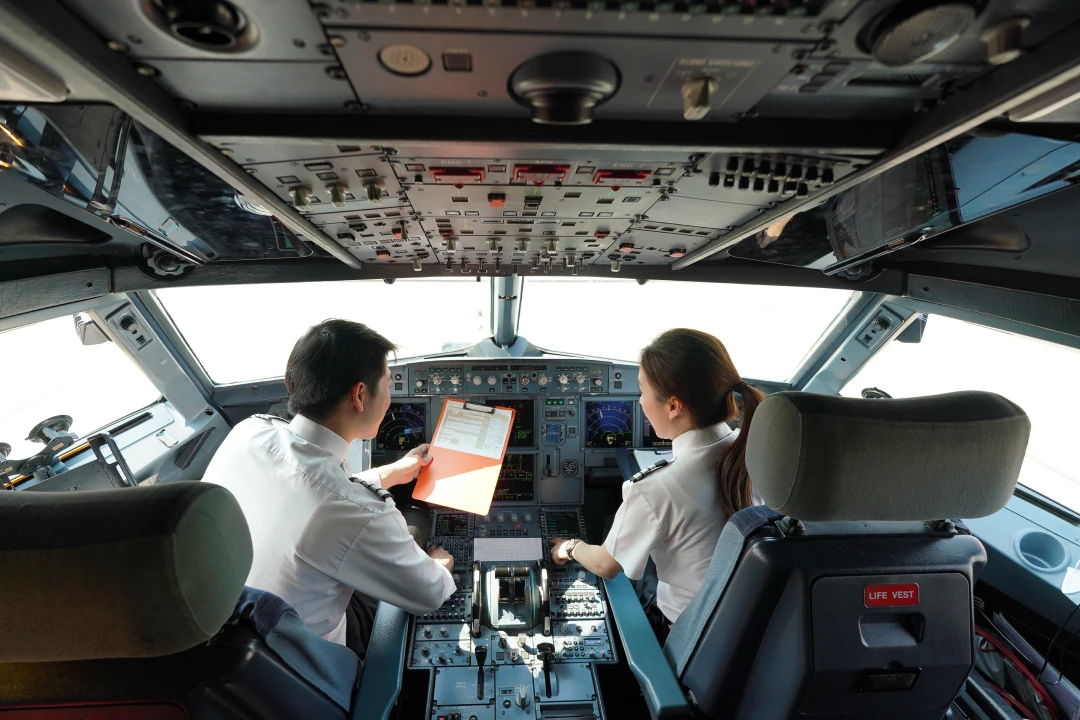
We continually enhance aviation security measures to comply with international standards. Regular safety assessments guide our approach, and we rigorously test systems per Civil Aviation Authority of Thailand plans to promptly address any issues.

Food Safety
In-Flight Products and Services and Food Safety
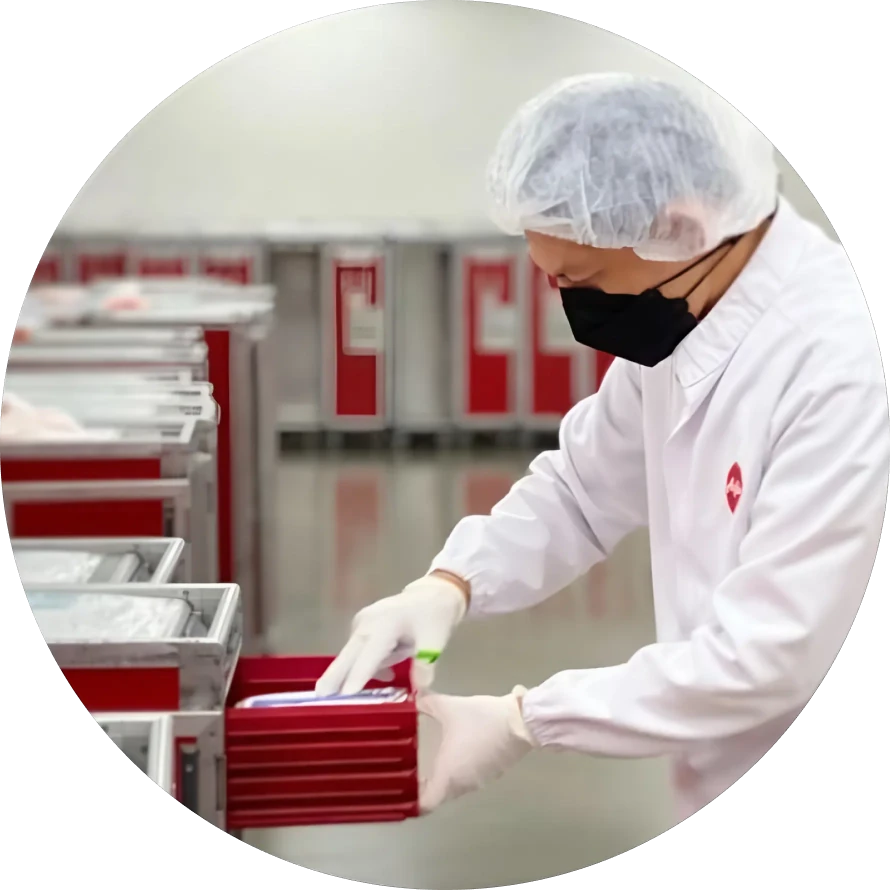
Food safety covers the management, storage and preparation of meals to safeguard against dangerous contamination as well as assurance that meals contain adequate nutrition.
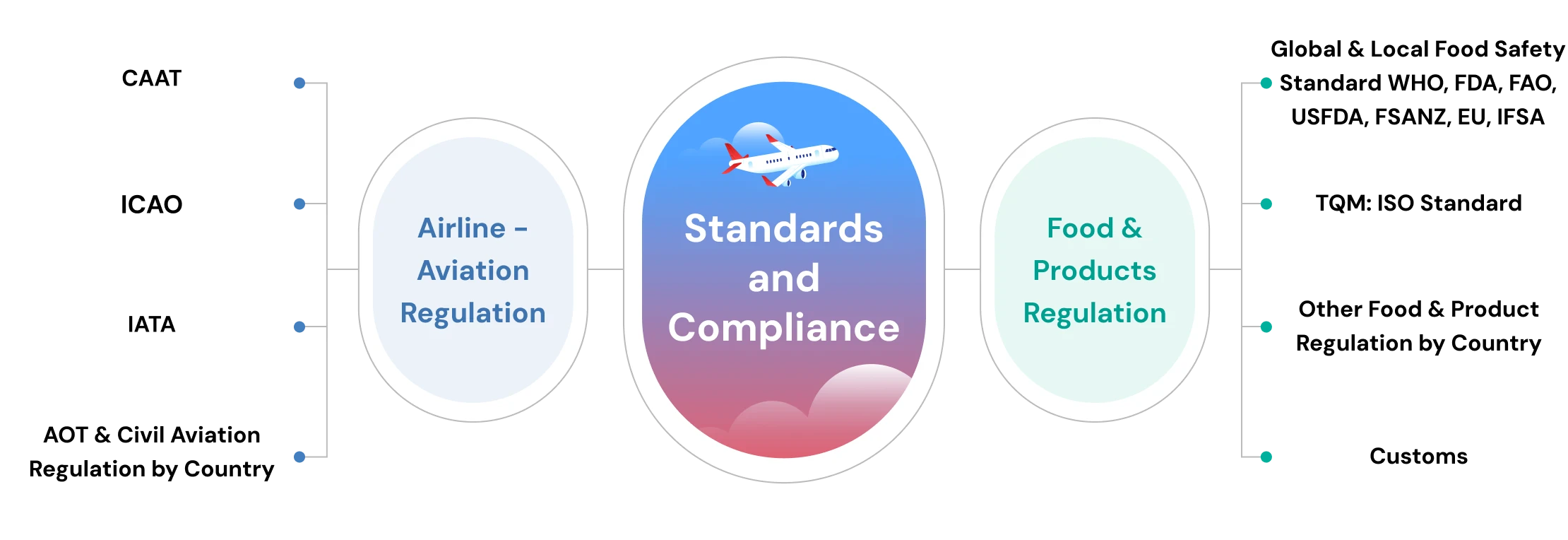
From the conceptualisation of menus to service to passengers, we track and record all passenger feedback for the improvement of our food safety systems to ensure the safety of its meals meets International Flight Services Association (IFSA) standards, the food regulations of destinations such as China and Europe and the requirements of Thailand’s Food and Drug Administration.
Food Safety Regulation
Over 3 million inflight meals are served to guests by Thai AirAsia each year, making it a priority that each meal meet all four dimensions of safety; physical, biological, chemical and allergenic, in accordance with the Good Hygiene Practices - Hazard Analysis Critical Control Points (GHPs – HACCP) requirements of the CODEX standard (established by the Food and Agriculture Organization of the United Nations (FAO) and the World Health Organization (WHO)). Thai AirAsia’s Inflight Services Department was verified by the British Standards Institution as meeting its latest requirements.
In 2025, Thai AirAsia’s Inflight Services Department successfully passed the assessment by the British Standards Institution (BSI) with no critical non-conformities.
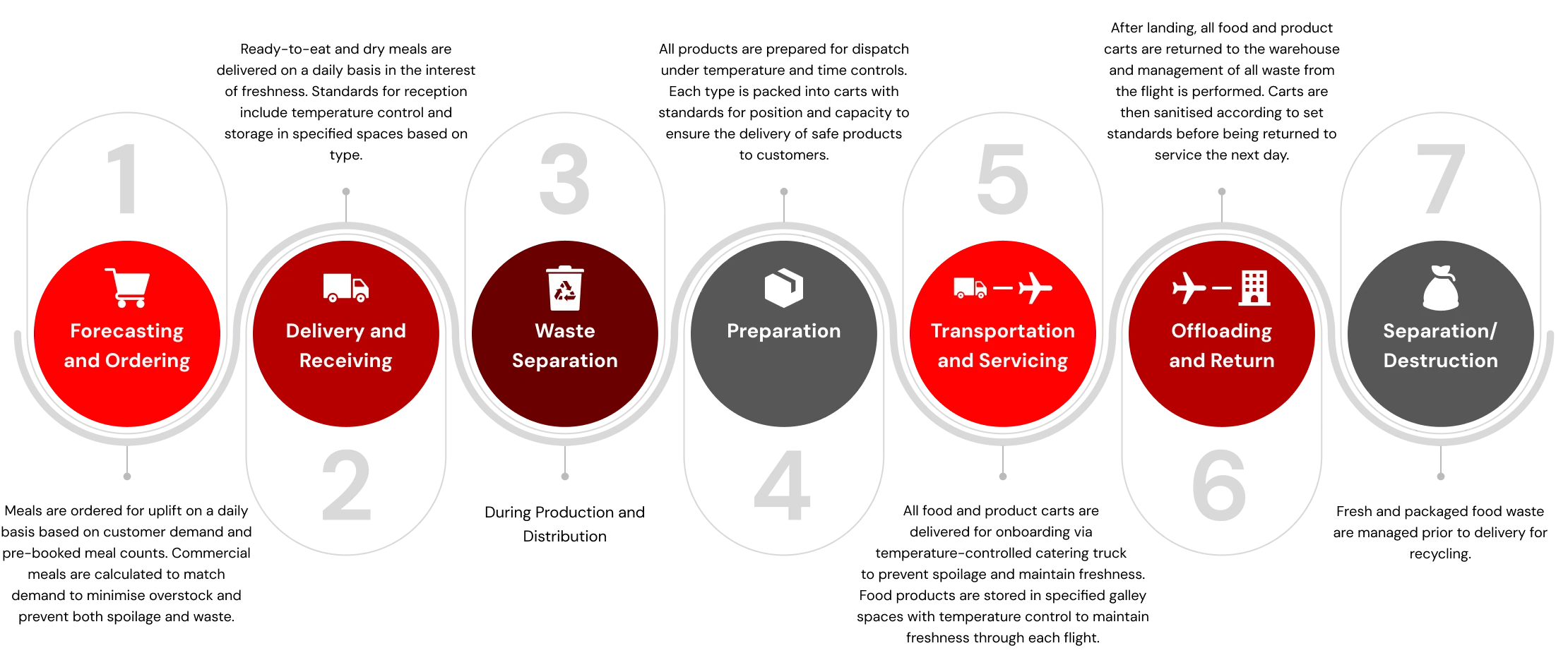
Overall In-flight Services Process
Airline Catering Supply and Operation Chain